
Packstage Pass
Behind-the-Scenes Stories from the WestieWear™ Pack
How to Keep Your Dog Safe During Extreme Cold Weather
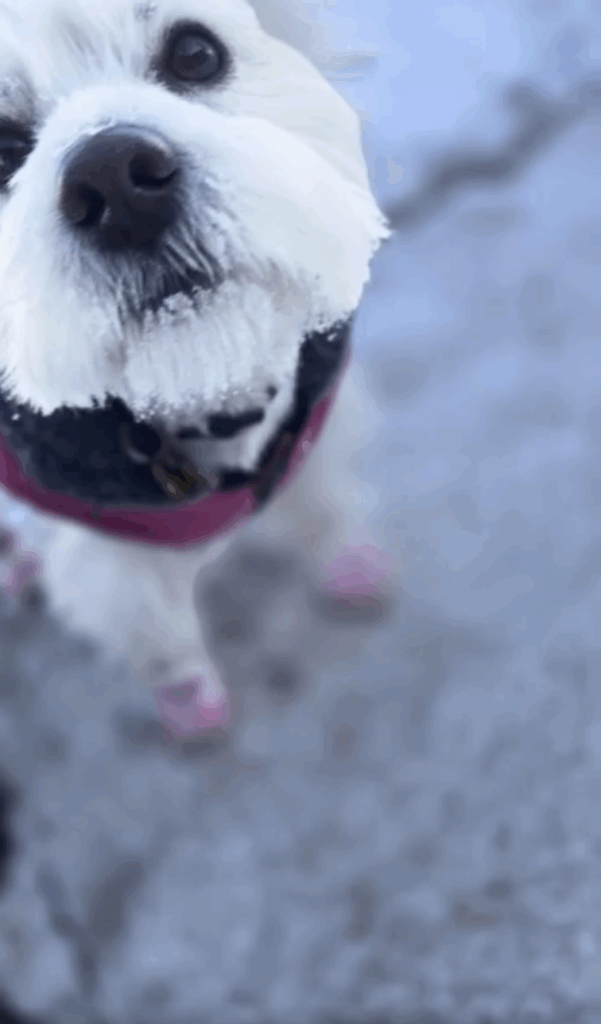
When temperatures drop sharply, our pets feel the impact far more than most people realize. For this reason, it’s important to keep dogs safe in cold and freezing weather.
Dogs may be resilient and playful outdoors, but they’re still domesticated animals whose bodies aren’t equipped to handle dangerously low temperatures without protection.
Whether you have a tiny pup, a senior dog, or a recently groomed companion, cold weather brings real risks that every pet parent should know about. Understanding these risks helps you make safe choices during winter weather events, especially cold snaps like the one we’re experiencing now.
Why Cold Weather Is Dangerous for Dogs
Exposure to freezing temperatures can lead to a number of issues, even in short periods of time.
1. Frostbite
Frostbite occurs when tissue freezes, most commonly affecting ears, paws, nose, and tail. It can happen more quickly than you think, especially when wind chill is involved. Early signs include pale or cold skin, stiffness, or sensitivity when touched.
2. Hypothermia
Dogs can develop hypothermia when their body temperature drops too low. Small breeds, thin-coated breeds, seniors, and dogs who are wet from snow or grooming are especially vulnerable. Symptoms may include shaking, lethargy, stiff movements, or slowed breathing—requiring immediate attention.
3. Muscle & Ligament Strains
Ice may look harmless, but it can cause slips that lead to strained muscles or ligament tears—injuries that can take weeks to recover from. Just like people, dogs can pull something simply from walking on slick surfaces.
4. Dry, Cracked, or Irritated Paw Pads
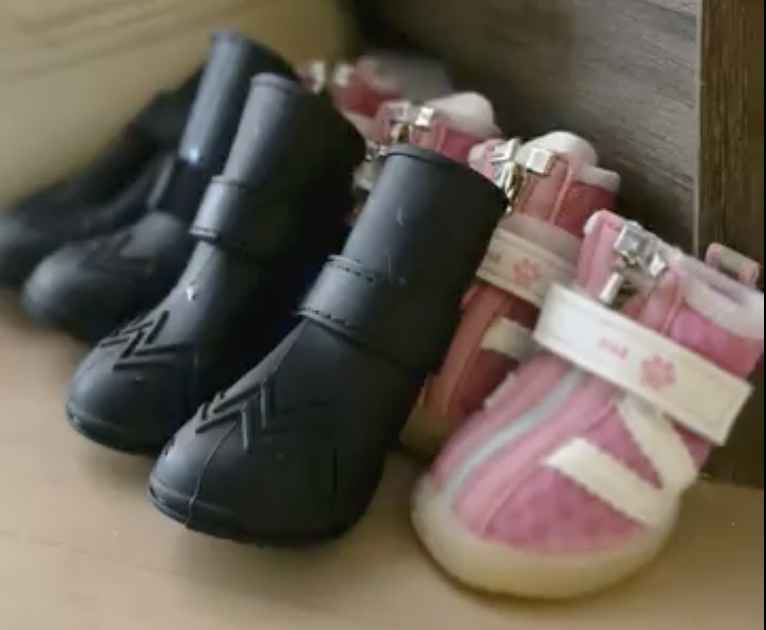
Cold pavement, snow, ice melt chemicals, and rock salt can irritate or crack your dog’s paw pads. Once cracked, paw pads take time to heal and can make every walk painful.
5. Increased Joint Pain
Cold weather often worsens stiffness and discomfort in senior dogs or pups with arthritis. Even mildly cold days can trigger noticeable changes in movement and mood.
How to Protect Your Dog During a Cold Snap
Here are simple ways to keep your dog safe, warm, and comfortable when temperatures fall:
Limit Time Outdoors
Short, purposeful outings are best during freezing weather. Avoid prolonged exposure, especially for small dogs and seniors who lose heat more quickly.
Use Protective, Waterproof Footwear
Dog shoes provide traction, shield paws from ice melt chemicals, and prevent snow from gathering between paw pads.
Dress Them in Warm Clothing
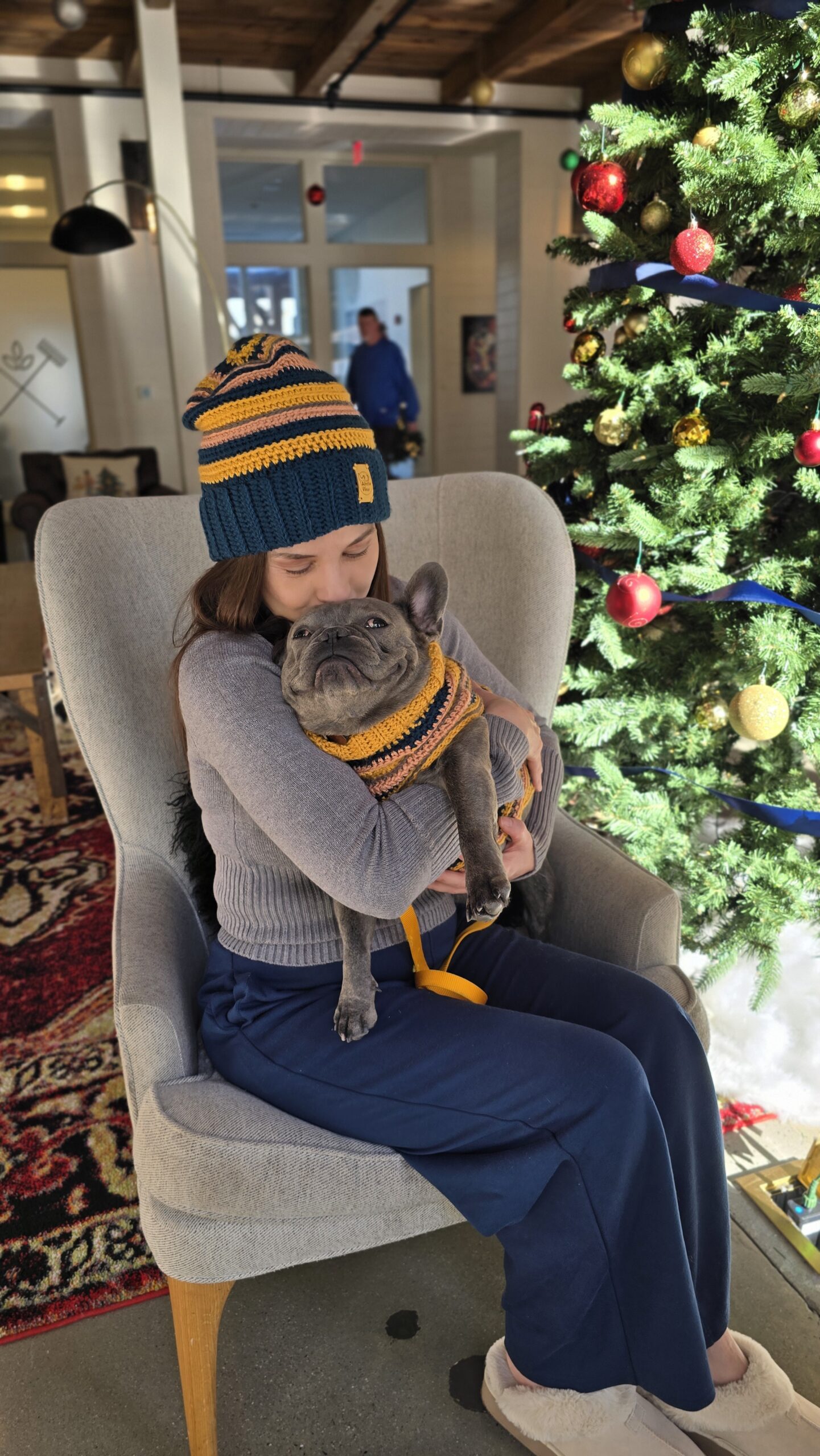
A properly fitted sweater or jacket helps retain body heat and adds a protective layer against the cold. This is especially important for dogs with short fur, thin coats, or clipped coats after grooming.
Dry Them Thoroughly After Walks
Snow and wet fur accelerate heat loss. Gently dry their paws, legs, and belly after each outing.
Watch for Early Warning Signs
If your dog is shivering, lifting their paws, slowing down, or looking uncomfortable, bring them inside right away.
Protecting Our Pets Is a Winter Essential
Our pets depend on us to make safe choices during extreme weather. A few small precautions—warm layers, protective footwear, shorter walks—can make a huge difference in your dog’s comfort and well-being.
Just like us, dogs feel the cold. And during weeks like this one, they need extra care.
Stay warm, stay safe, and give your pup a little extra coziness this winter.
Your Dog’s Next Favorite Thing Starts here
Looking for the perfect fit for your pup?
Explore everything WestieWear offers.